
Florida’s Property Tax Overhaul: Potential Changes and Risks for Homeowners
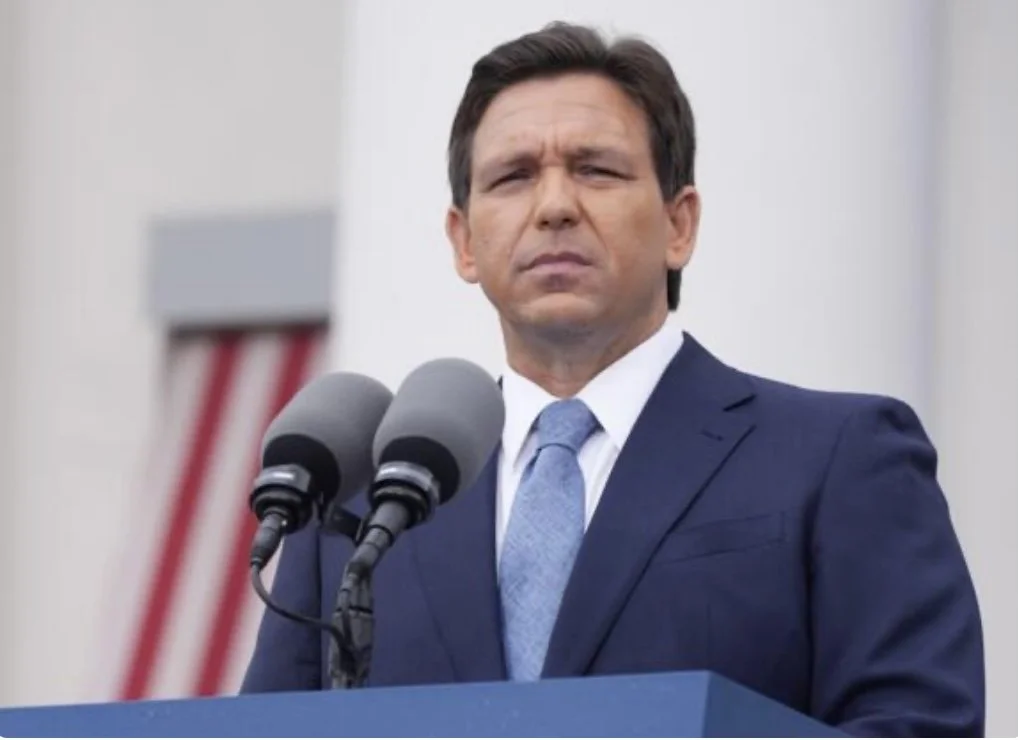
Florida lawmakers recently approved seven constitutional amendments that could drastically reshape how property taxes affect homeowners. These proposals, if passed by at least 60% of voters in November 2026, would take effect January 1, 2027. These changes, backed by Governor Ron DeSantis, aim to reduce or phase out “non-school” property taxes levied by local governments for purposes other than school funding.
The most ambitious of these is HJR 201, which would eliminate non-school property taxes entirely for homestead properties. Another resolution, HJR 203, takes a more gradual approach: increasing homestead exemptions by $100,000 each year for 10 years, with full phase-out by 2037. Other proposals target seniors (HJR 205 would exempt those 65 and older from non-school taxes), first-time and current homeowners (HJR 207 adds a 25% homestead exemption), and insured homeowners (HJR 209 offers a $100,000 exemption for homes with property insurance).
In addition to exemptions, lawmakers are also addressing assessment and value limits. HJR 211 would let homeowners transfer their entire “Save Our Homes” tax-savings benefit to a new homestead, removing existing caps. HJR 213 imposes slower assessed-value growth: homestead properties could be reassessed only once every three years, and non-homestead properties would be capped at a 15% increase over three years.
That said, the governor has pushed back on certain proposals, particularly those that only help seniors. DeSantis called age-specific reform “a non-starter,” arguing the changes should benefit younger homeowners as well.
As for how local governments would make up for the lost property tax revenue: that’s still unclear. Some proposals suggest restraining the growth of tax assessments, while others lean on broader policy debates, such as shifting to consumption-based revenue sources. Critics warn that eliminating or reducing property taxes on this scale could jeopardize funding for public services such as law enforcement, schools, and infrastructure, unless alternative revenue streams are identified.
For Florida homeowners, a vote in 2026 could change everything: how much they pay, how their tax bill is calculated, and even whether local governments can continue funding essential services the same way. The stakes are high: it’s not just a tax fight, but a debate about how Florida should pay for its future.