
Jackson County Faces Questions Over Possible AI Data Center Proposal
By: Shelia Mader
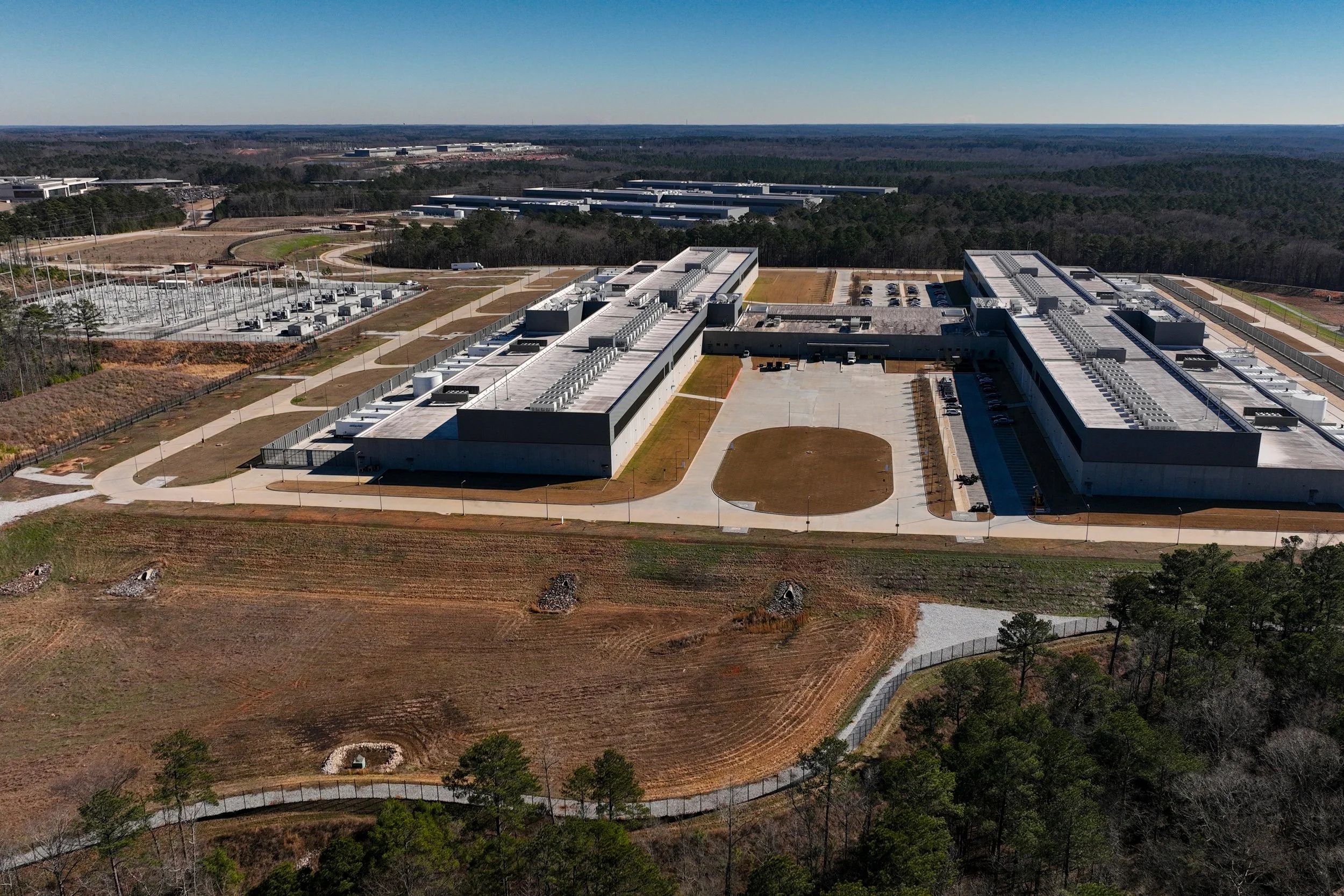
A discussion during a recent Jackson County Board of County Commissioners meeting has sparked growing public interest and concern after county officials revealed that a company has approached the county about a proposed project near the Bay County line along Highway 231 that could potentially involve an AI data processing center.
County Administrator Jim Dean explained to commissioners that the project was initially presented as a solar farm and battery storage facility, but questions raised by county planning staff led officials to believe the proposal may actually involve a large-scale data processing or AI data center operation.
The discussion quickly turned toward the growing debate happening nationwide over the impact of AI data centers on local communities, particularly concerns involving water usage, electrical demand, infrastructure strain, and long-term environmental effects.
Commission Chairman Jamey Westbrook referenced what he described as “horror stories” from other states including Georgia and Mississippi regarding data center developments.
Planning official Kim Sweazy told commissioners that the proposal references Bloom Energy technology and includes plans for energy produced by the solar facility to be used on-site. However, she emphasized that county officials still have very little concrete information about the project itself. “We haven't received anything specific on what exactly they're wanting to do,” Sweazy said, noting that the lack of detail is part of what raised concerns among county staff.
Commissioners also discussed recently approved state legislation signed by Governor Ron DeSantis that would require AI data centers drawing major resources from Florida communities to help pay for the infrastructure and resources they consume, including water and electricity.
The conversation during the meeting reflected both concern and uncertainty among commissioners as they attempted to balance economic development opportunities against potential risks to county resources.
Commissioner Paul Donofro questioned whether a moratorium on AI data centers would be necessary and asked whether such facilities could ultimately benefit Jackson County economically.
Economic Development Director Darwin Gilmore acknowledged concerns but pointed to examples in other parts of the country where data centers have significantly increased local tax revenue.
“My understanding of data centers is a very positive tax base impact,” Gilmore said. “It's not jobs. It's not job count. It is the tax base.”
Gilmore specifically referenced counties in Virginia that reportedly reduced taxes for years because of revenue generated from accommodating large data centers.
Still, multiple commissioners voiced concern about one issue in particular: water.
Chairman Westbrook noted that while Jackson County is fortunate to have abundant groundwater resources, officials must consider how much strain large-scale facilities could place on local water supplies.
Dean explained that massive amounts of cooling are required to keep data center equipment operational and that some facilities use extensive water circulation systems to remove heat generated by computer equipment.
“The huge demand on the water resources” was among the primary concerns discussed during the meeting.
Commissioners also discussed the possibility of a temporary moratorium on AI data center development in order to allow the county time to study the issue and potentially develop regulations tailored specifically for Jackson County.
Sweazy explained that a temporary moratorium would not necessarily represent opposition to development but instead would allow the county time to establish guidelines before any formal applications are approved.
County Attorney Knowles advised commissioners that the new state law does not take effect until July 1 and recommended waiting before taking any formal action.
Another major topic raised during the discussion was public understanding of what data centers actually do and how they operate.
Commissioner Branch openly admitted that much of what he had heard about AI data centers had been negative.
“I heard nothing but negative about them,” Branch said. “It's like the devil in South Florida.”
Gilmore agreed that county officials and commissioners need additional education on the subject and suggested organizing informational sessions to better understand both the benefits and the drawbacks of data center development.
Since news of the discussion began circulating publicly, social media across Jackson County has been flooded with opinions, speculation, concerns, and debate about the possibility of an AI-related data center coming to the area. Many residents have voiced fears over water consumption, environmental impacts, power usage, and the long-term effect such a project could have on the county’s rural character.
Others have urged residents not to rush to judgment until more details become available and have pointed to potential economic benefits, including increased tax revenue and infrastructure investment.
At this stage, county officials repeatedly stressed during the meeting that no final proposal has been approved and that discussions remain in the very early planning stages.
Commissioner Dr. Spires made a motion that the county take no action on a moratorium until after July 1 when the new legislation becomes effective. With a second by Commissioner Branch, the motion carried unanimously in a 5-0 vote.
With public attention rapidly growing, many residents are now encouraging citizens from across Jackson County to attend the next scheduled County Commission meeting on May 26 at 6:00 p.m. at the Jackson County Commission Board Room to hear additional discussion firsthand and to make their voices heard regarding the future of potential AI data center development in the county.
