
“Quick-Serve Hospitality” restaurant earmarked for Graceville
By: Shelia Mader
Another agenda item from the Jackson County Board of County Commissioners Meeting Tuesday. I would like detail in this article, with the commissioners comments and concerns noted. The concern over the confidentiality of the business and Ms. Watkins response about the proposed business not being detrimental to other 'like' businesses in the City of Graceville. Word count is not an issue. Darwin Gilmore is president and CEO of Jackson County Economic Development.
Jackson County commissioners approved a memorandum of understanding Tuesday supporting a proposed fast-food development in Graceville, with officials describing the project as a multi-million-dollar investment expected to bring jobs and increased traffic-driven commerce to West Jackson County. The vote passed unanimously, 5-0, after lengthy discussion centered on confidentiality concerns, the use of public economic development funds, and the possible impact on existing restaurants in Graceville.
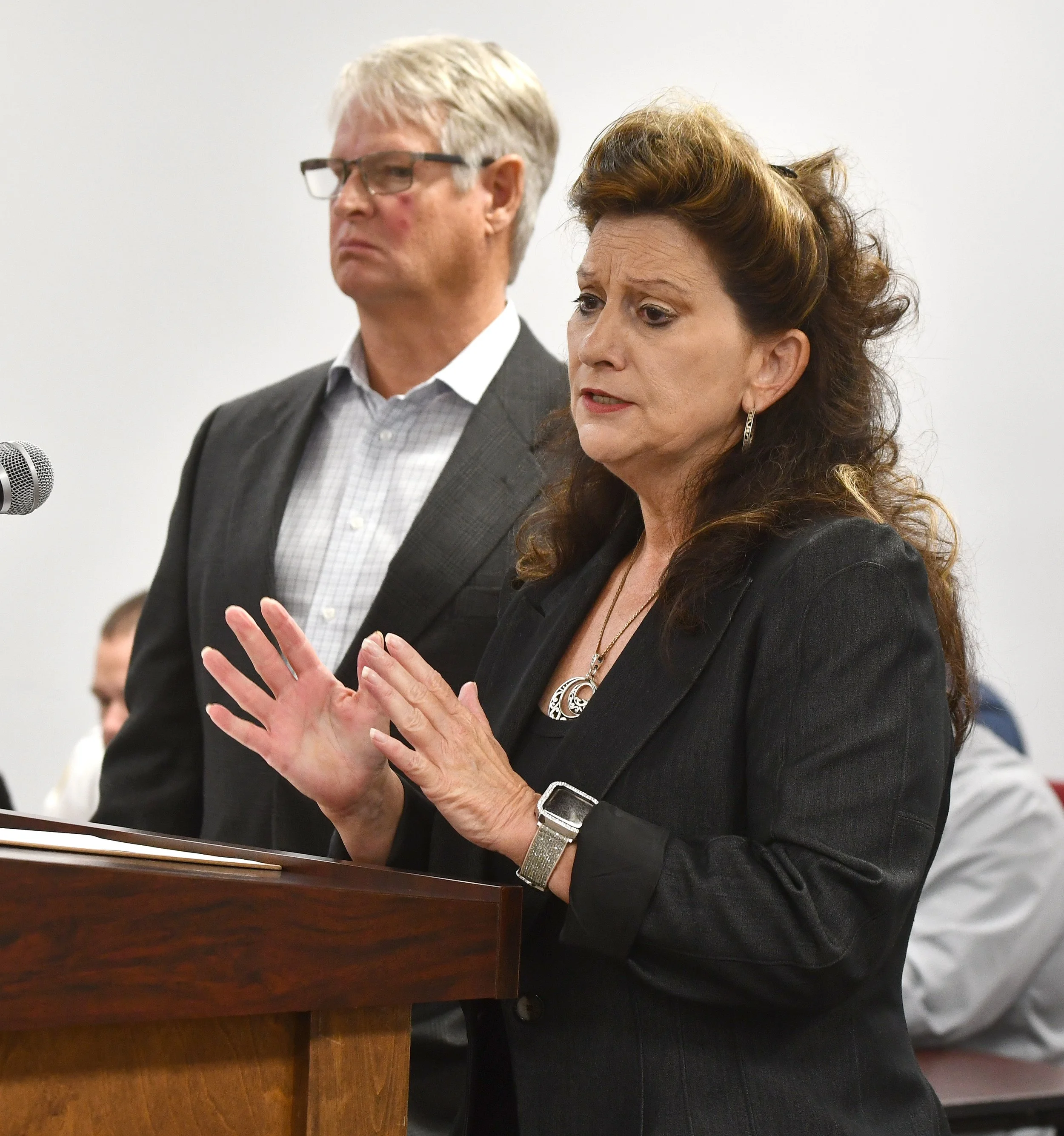
Darwin Gilmore, president and CEO of Jackson County Economic Development, presented the proposal to the board alongside Graceville City Manager Michelle Watkins. Gilmore told commissioners the project represented an opportunity to create economic momentum in a key corridor of the city.
“We’re encouraged about this development,” Gilmore said. “It is an opportunity to have some synergy on a very critical crossroads there in Graceville, and we feel like this opportunity can create more opportunities.”
The proposal would allow up to $100,000 in incentive funding through the West Jackson County Development Authority, a fund originally established in the early 1990s following a property acquisition partnership involving West Florida Electric and the Jackson County Board of County Commissioners. According to County Administrator Jim Dean, the authority was specifically created to support economic development in West Jackson County.
Gilmore emphasized that Jackson County Economic Development does not typically offer direct cash incentives but instead assists projects through grants, permitting support, or fee waivers. In this case, he said, officials believed the West Jackson County Development Authority funds were appropriate because the proposed development aligned with the original purpose of improving prosperity and economic health in the Graceville area.
Commissioner Donnie Branch asked how much money remained in the development authority fund. Dean responded that approximately $825,000 was available.
Commissioner Paul Donofro clarified that the board was authorizing “up to $100,000” for the project, which Gilmore confirmed. Gilmore added that the project represented more than $3 million in capital investment and was expected to create at least 25 jobs.
Questions quickly shifted to the identity of the business and the level of transparency surrounding the proposal.
Chairman Jamey Westbrook requested of Gilmore more about the type of restaurant being considered. Gilmore described it as a “quick-serve” hospitality facility and said it involved a nationally recognized international brand. However, he stated the company had requested confidentiality protections under Florida statutes and could not yet be publicly identified.
Westbrook openly challenged the idea of approving public incentives without disclosure of the company’s identity. “They want to okay the money, but they don’t want to tell us who it is,” Westbrook said. “That’s real interesting, isn’t it?”
Gilmore defended the confidentiality request, saying the company was simply following state protocols rather than attempting to withhold information improperly. “I think they’re just following state protocols,” Gilmore said. “I don’t think they’re trying to be obtuse about it.”
Westbrook responded that “protocol and money’s two different things,” highlighting his concern about the board being asked to support an unnamed company with public dollars.
Dean attempted to reassure commissioners that the agreement would not provide money upfront. Instead, any funds would be distributed as reimbursements tied to project milestones. He also noted the MOU itself was non-binding and that a more detailed final agreement would later be drafted with safeguards and drawback provisions if the project failed to materialize.
Concerns were also raised about whether another restaurant could negatively affect existing businesses in Graceville.
Westbrook noted that the city already had “two pretty good restaurants” in close proximity to the proposed development and asked whether the city felt comfortable adding another competitor to the local market.
Graceville City Manager Michelle Watkins addressed those concerns directly, explaining that the company had conducted extensive market studies focused on traffic counts, community activity, and regional growth trends.
“We do not feel like it will,” Watkins said when asked whether the project would hurt existing restaurants.
Watkins pointed to increased activity at the local college and said Graceville has experienced renewed growth in recent years. She said the proposed location along State Road 77 would primarily target travelers heading toward the beaches rather than compete directly with local sit-down establishments.
“I feel that this type of restaurant does not really compete with those sit-down restaurants that we’re so known for,” Watkins said. “This really is more about people passing through, and it is, again, a fast-food chain, a well-known fast-food chain.”
Her comments appeared aimed at easing concerns that the county would be subsidizing a business that could damage existing locally owned restaurants.
Commissioner Dr. Willie Spires questioned whether the agreement included any protections related to the long-term operation of the restaurant should the county invest public funds into the project.
Gilmore acknowledged that no specific longevity requirements currently existed but said the proposed MOU included clawback provisions allowing the county to recover funds if the company failed to meet obligations during the first few years of operation.
Dean added that the final agreement could include additional protections requiring the company to maintain operations for a specified period of time.
“I would like to think they wouldn’t build it and run off,” Dean said.
Westbrook remained cautious throughout the discussion, repeatedly emphasizing the board’s responsibility to safeguard taxpayer resources. “Dollars sometimes are hard to come up,” Westbrook said. “Especially for this board to want to go along with more or less handing somebody else money to make money.”
Watkins later told commissioners that the city had already spent roughly six months working with the developers and had been heavily involved in both real estate and architectural planning discussions. She said the company had already submitted conceptual designs and initiated rezoning requests for the proposed property, which currently includes both commercial and residential zoning classifications.
“From all indications, they’re quite serious,” Watkins said.
She reiterated that both city officials and economic development representatives had maintained regular contact with the developers throughout the process and believed the company was committed to moving forward.
Donofro ultimately voiced strong support for the project, arguing that if the restaurant remained successful over the long term, the investment would pay dividends for both Graceville and Jackson County through increased economic activity and tax revenue.
“If this project does come to fruition and they do a good job of running their operation and it stays in business for 10, 15, 20 years, the benefit to not only the city of Graceville but to Jackson County will pay for the investment that we’re making,” Donofro said.
Donofro then made the motion to move forward with the MOU between the West Jackson County Development Authority, the City of Graceville, and the confidential development entity identified publicly only as “Project FAST.” Gilmore later confirmed the developer is based in Alabama while the restaurant operator will be based in Florida.
The motion received a second and passed unanimously with a 5-0 vote.
